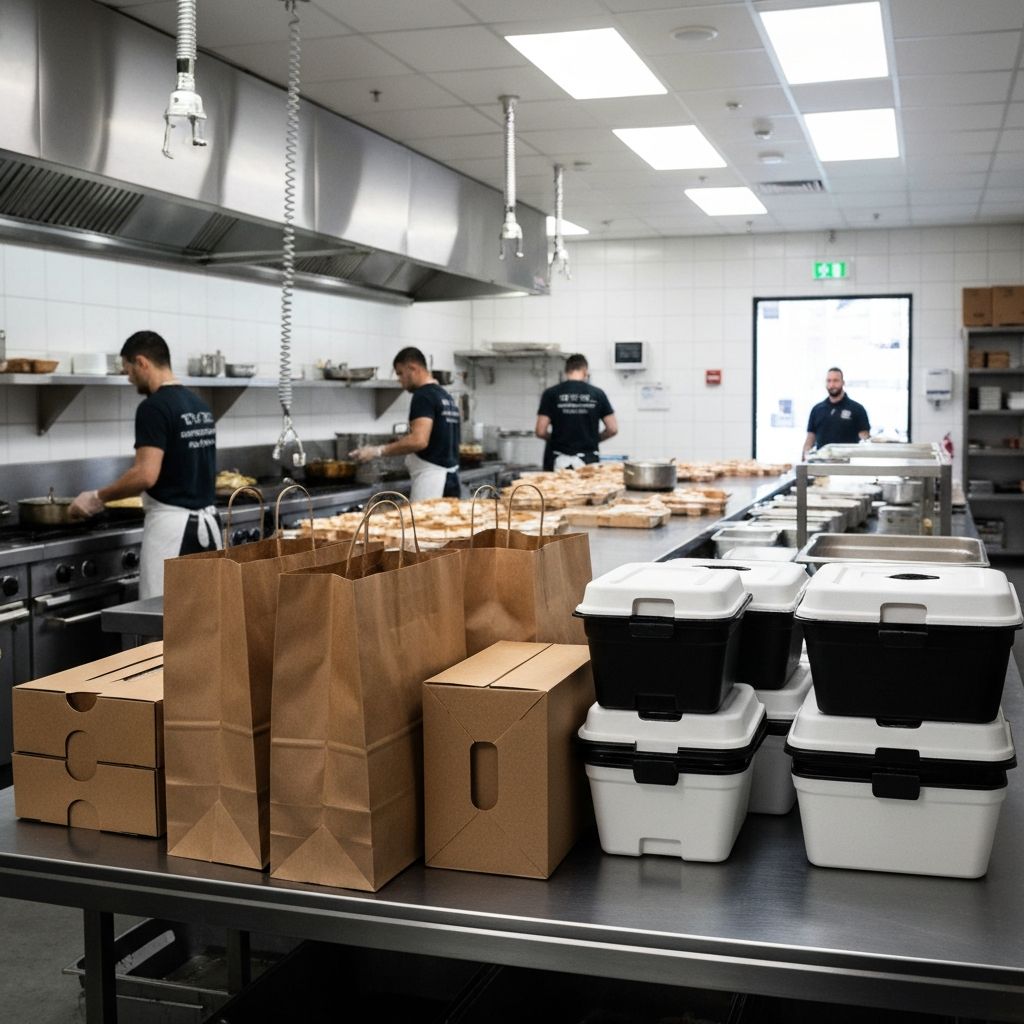
The traditional restaurant model—prime location, beautiful dining room, high rent—is being challenged by a new paradigm: the ghost kitchen. Also known as virtual or cloud kitchens, these delivery-focused operations are fundamentally changing the industry landscape.
The concept is straightforward: a commercial kitchen space dedicated entirely to preparing food for delivery, with no physical dining space. This model offers compelling advantages, particularly for operators looking to expand without the significant capital investment of a traditional restaurant.
The numbers are striking. Third-party delivery apps now drive a significant portion of global restaurant revenue, and that percentage continues to grow. Consumers, particularly younger demographics, increasingly expect the convenience and speed that delivery offers.
For restaurant operators, ghost kitchens present several strategic opportunities. Established brands can test new concepts or cuisine types with minimal risk. New entrants can launch their culinary vision without the crushing overhead of a traditional space. Multi-unit operators can expand their delivery radius without building new dining rooms.
The staffing implications are significant as well. Ghost kitchen operations typically require fewer front-of-house staff, focusing investment on skilled kitchen workers. However, they introduce new roles around order management, packaging, and driver coordination.
Some restaurants are taking a hybrid approach, adding virtual brands that operate out of their existing kitchen alongside their main concept. This allows them to capture additional delivery revenue without significant new investment.
As consumer preferences continue to evolve toward convenience, ghost kitchens represent not just a trend but a fundamental shift in how food service can be delivered.